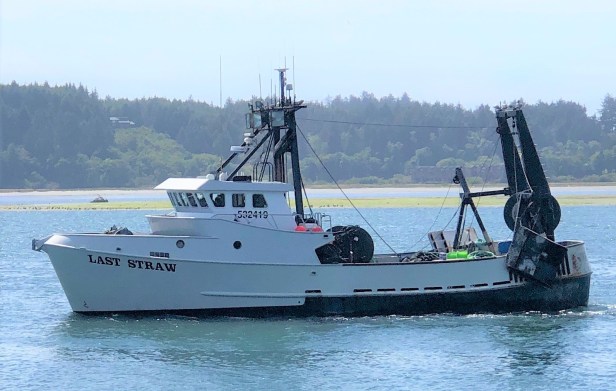
I joined the Pacific States Marine Fisheries Commission science team on board commercial fishing vessel Last Straw to study an innovative fishing gear modification.
Inexpensive, readily available LED lights could make the recently recovered groundfish fishery more sustainable by reducing halibut bycatch.
by – catch
noun
marine animals caught unintentionally when fishing for other species
Preventing and reducing bycatch is essential to sustainable fisheries.
Bycatch reduction methods typically include (1) monitoring, establishing a limit, and closing the fishing season when the limit is exceeded, and (2) modifying fishing gear with bycatch reduction devices (BRDs) that help non-target species avoid or escape being caught.

Bycatch reduction devices can protect numerous species like turtles, whales, sharks, salmon, and more. Excluder devices, such as the designs used for sea turtles, allow smaller target species to pass through to become trapped in the net while larger non-target species can be diverted to an escape window. When bycatch species are similar in size to target species, like salmon bycatch in the north Pacific hake fishery, bycatch reduction methods may rely on the difference in strength and behavior between species. Salmon are stronger swimmers than hake and can escape from nets modified with escape windows.
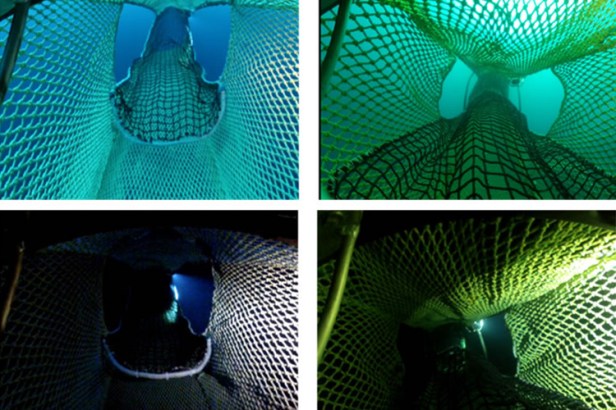
In the darkness of the deep ocean, it’s easy to see why more salmon find escape windows when they are illuminated.
If LED fishing lights can be proven effective with other species, they could be quickly adopted across entire fishing fleets.
Halibut sometimes coexist with groundfish species, and bottom trawling is an indiscriminate fishing method which can unintentionally catch and injure them as bycatch. In the US and Canada, all Pacific halibut fishing is regulated by the International Pacific Halibut Commission (IPHC), which establishes total allowable catch limits for commercial fishing, recreational fishing, and bycatch.
IPHC data show that halibut bycatch has been reduced since the introduction of the groundfish catch share program in 2011. Under catch shares, each share owner has an individual fishing quota (IFQ) and an individual bycatch quota (IBQ), and compliance is monitored by the West Coast Groundfish Observer Program. Individual bycatch quotas create incentives for fishermen to reduce bycatch.
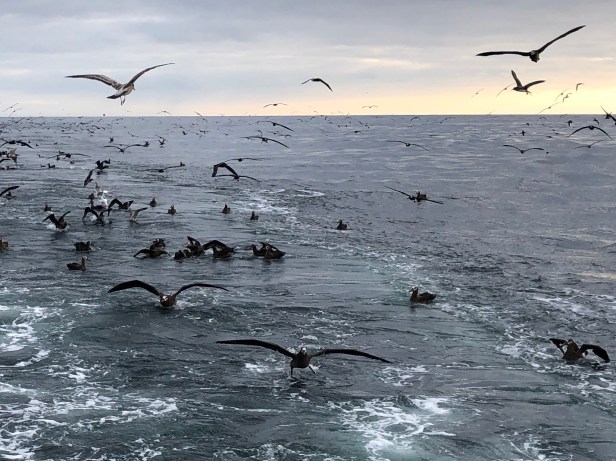
Offshore from Newport, we fished from sunrise to sunset for marketable groundfish: rockfish, lingcod, black cod, petrale sole, and others.

Where halibut were present, we compared the catch in pairs of trawls conducted with and without LED lights.


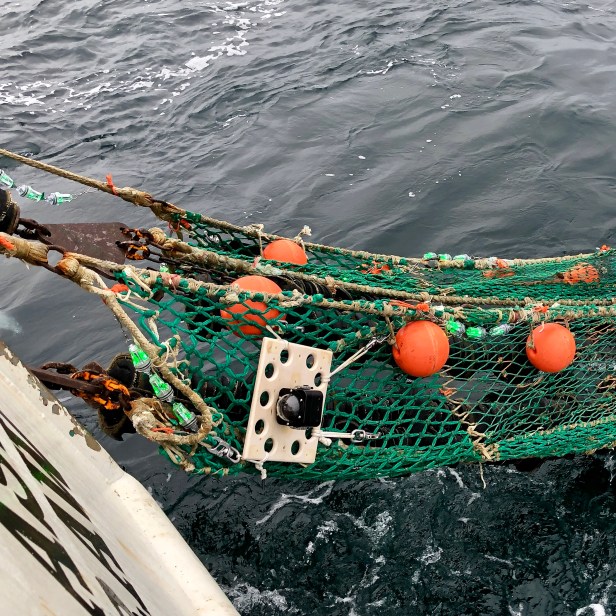

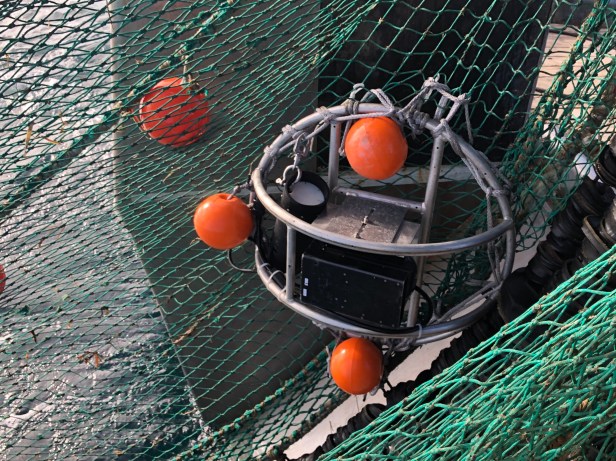


We recorded data about each individual halibut and released them as quickly as possible.

Every trawl was sorted by species, weighed and measured.


Commercially valuable species like lingcod and rockfish were sold to Newport fish processing plants, which helped to fund the research.


Additional funding for the Pacific States Marine Fisheries Commission bycatch program is provided by the NOAA Fisheries Bycatch Reduction Engineering Program, and the NOAA Fisheries National Cooperative Research Program.
Partners include the NOAA Fisheries – Northwest Fisheries Science Center – Marine Habitat Ecology group, the Oregon Department of Fish and Wildlife – Marine Resources group, regional net manufacturers, and the West Coast fishing industry.
Thank you Mark Lomeli and PSMFC for the opportunity to work on this project!


Scientific papers related to this project are available online here:
- Lomeli & Wakefield, 2017. Illuminating the Headrope of a Selective Flatfish Trawl: Effect on Catches of Groundfishes and Pacific Halibut.
- Lomeli & Wakefield, 2016. Artificial light: Its influence on Chinook salmon escapement out a bycatch reduction device in a Pacific hake midwater trawl.
This Whole Foods video about sustainable seafood mentions bycatch reduction, and includes some nice footage of trawling on a boat similar to Last Straw.
 Spindrift